The U.S. travel and hospitality industry has always been a pioneer in adopting technology—from the first global distribution systems in the 1960s to online travel agencies (OTAs) like Expedia and Priceline in the 2000s. In 2025, the next revolution is well underway: AI-powered travel agents. These digital assistants are transforming how Americans search, plan, and book trips. By offering personalized recommendations, real-time support, and seamless integration with airlines, hotels, and rental platforms, AI is disrupting one of the largest consumer sectors in the country.
1. What Are AI Travel Agents?

AI agents are autonomous software systems that can understand natural language, access real-time data, and make booking decisions on behalf of users. Unlike traditional booking platforms that require users to manually search and compare, AI agents handle the process end-to-end.
For example:
-
A traveler can message an AI agent: “Plan me a five-day trip to Miami in October with a budget of $1,500, staying near the beach.”
-
The AI instantly analyzes flight prices, hotel options, and rental cars, then creates a curated itinerary.
-
It can even monitor price drops and rebook automatically to save costs.
This level of convenience is rapidly changing customer expectations.
2. Why AI Agents Are Disrupting Traditional OTAs
Historically, OTAs like Expedia, Booking.com, and TripAdvisor dominated online travel by acting as intermediaries, charging commissions from airlines and hotels. AI agents, however, threaten this model by offering direct, commission-free bookings or cheaper alternatives.
Travelers benefit from:
-
Time savings: no need to filter through hundreds of listings.
-
Personalization: AI tailors recommendations based on past preferences, loyalty status, and budget.
-
Cost efficiency: AI continuously monitors deals and automatically adjusts bookings.
As one analyst noted in a Financial Times report, AI could “disintermediate” OTAs in much the same way OTAs once disrupted traditional travel agents.
3. Adoption in the U.S. Market
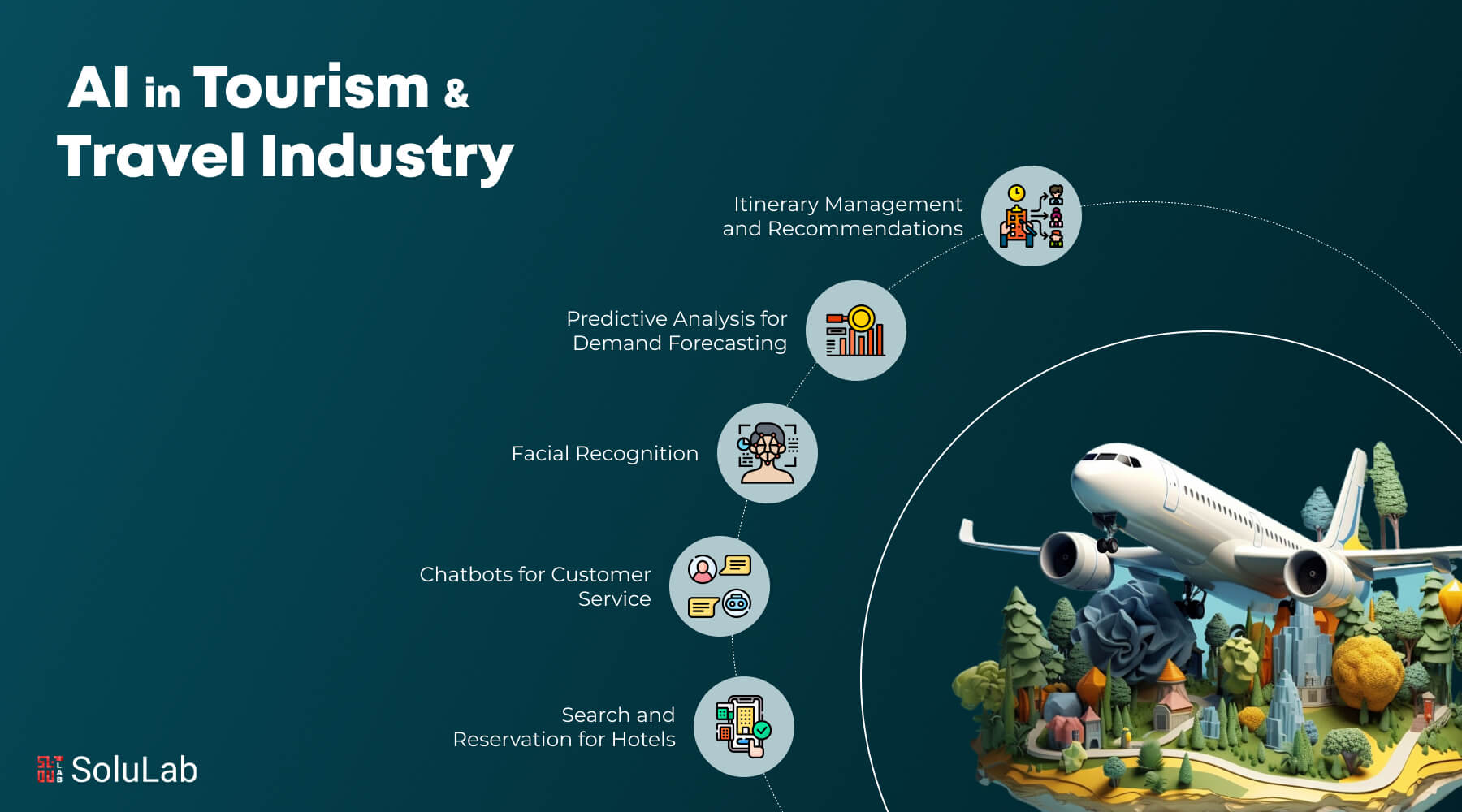
American travelers are early adopters of digital services, and the shift is accelerating in 2025:
-
Expedia Group has rolled out AI trip planners integrated into its app.
-
Booking.com has partnered with OpenAI-like models to enable conversational trip planning.
-
Airbnb is experimenting with AI-driven concierge services, helping guests design local experiences.
Meanwhile, startups such as Kayak AI and GuideGeek are gaining traction with lightweight, AI-only platforms. According to Skift Research, nearly 35% of U.S. travelers under 40 have already tried an AI-based booking tool this year.
4. Reactions from Hotels and Airlines
The hotel and airline industries view AI agents with both excitement and caution.
Opportunities:
-
Direct channels: AI agents can route bookings directly to hotel websites, bypassing OTA commissions (which often range from 15–25%).
-
Better customer matching: Hotels can target guests with more personalized offers.
Concerns:
-
Data dependency: Hotels must share availability and pricing with AI platforms, raising issues of control.
-
Brand dilution: Travelers may trust the AI more than the hotel brand itself, weakening direct relationships.
Some airlines, like Delta and United, are experimenting with AI-powered virtual assistants of their own to retain control over the customer journey.
5. Data Privacy and Security Concerns
While AI agents bring convenience, they also raise new risks:
-
Data collection: AI agents often require access to email, calendars, loyalty accounts, and payment details.
-
Cybersecurity: Centralized AI booking systems could become high-value targets for hackers.
-
Bias in recommendations: There are concerns that AI may prioritize partners who pay higher referral fees, rather than offering unbiased results.
The U.S. Federal Trade Commission (FTC) is already signaling it may scrutinize AI-driven booking practices to ensure transparency.
6. Changing Customer Behavior
AI agents are not only a tool—they are reshaping how Americans think about travel planning.
-
Less research time: Instead of browsing reviews for hours, customers rely on AI summaries.
-
More spontaneous trips: AI makes last-minute planning less stressful by instantly optimizing itineraries.
-
Increased loyalty: If an AI agent consistently delivers great trips, customers may stick with the platform, reducing brand-switching among OTAs.
In effect, loyalty may shift from hotels and airlines to AI agents.
7. Industry Challenges and Opportunities
Challenges:
-
Legacy OTAs risk losing market share if they cannot innovate fast enough.
-
Hotels must decide whether to embrace or resist AI-driven bookings.
-
Regulatory frameworks around AI in consumer markets remain unclear.
Opportunities:
-
Startups can carve out niches in hyper-personalized travel, adventure tourism, or business travel.
-
Large travel companies can partner with AI firms to strengthen customer trust.
-
AI could reduce operational costs, automating call centers and customer service.
8. Case Study: A Family Trip to Orlando
Consider a family of four planning a summer vacation to Orlando. In the past, they might spend weeks comparing flights, hotels, and park passes. An AI agent now handles it in minutes:
-
Finds a hotel near Disney World with a family suite.
-
Suggests off-peak flight times to save $500.
-
Creates a daily itinerary balancing park visits, rest days, and dining options.
-
Monitors prices for car rentals and auto-adjusts the booking.
The family saves both time and money, while also enjoying a smoother travel experience.
9. Future Outlook
Experts predict that by 2030, over half of U.S. leisure trips could be planned by AI agents. The implications are profound:
-
OTAs may shrink or pivot into providing AI infrastructure.
-
Hotels and airlines could fight harder to establish direct AI integrations.
-
Customers may come to expect “hands-free travel planning” as the default.
The U.S., as one of the largest travel markets globally, is likely to serve as the testing ground for these innovations before they spread worldwide.
Conclusion
The rise of AI agents in U.S. travel booking platforms signals a new era for the tourism and hospitality industry. By delivering speed, personalization, and efficiency, AI is redefining how Americans plan their trips. Yet, this shift also brings challenges—regulatory questions, privacy risks, and competitive disruption.
Ultimately, the winners will be those companies that balance trust, transparency, and technology, ensuring that AI enhances the travel experience without undermining consumer confidence.