After several years of strong post-pandemic recovery, many expected 2025 to mark another record-breaking year for the U.S. travel industry. Yet the first quarter of 2025 has delivered a surprise: a slowdown in travel spending. According to data from Bank of America and other industry trackers, Americans are booking fewer trips, spending less on accommodations, and showing greater caution in discretionary travel. For hotels, airlines, and local economies reliant on tourism, this early-year slump raises questions: Is this just seasonal volatility, or a signal of broader economic headwinds?
1. The Numbers Behind the Slowdown

Reports from January through March 2025 indicate:
-
Travel spending dropped by about 3% year-over-year compared to Q1 2024.
-
Airfare purchases decreased by 5%, particularly on domestic routes.
-
Hotel occupancy rates in key urban markets like New York and Chicago fell below expectations.
-
Leisure travel demand softened, even during peak holiday weekends.
While not catastrophic, the slowdown contrasts sharply with the double-digit growth rates of 2022 and 2023.
2. Key Drivers of the Decline
Inflation and Cost Sensitivity
Although inflation has eased from its 2022 peak, Americans remain cautious. Rising costs for food, rent, and healthcare leave households with less discretionary income for travel.
Economic Uncertainty
A “wait-and-see” attitude dominates consumer behavior amid concerns about interest rates, job security, and global instability.
Shifts in Consumer Priorities
Instead of splurging on travel, some households are diverting funds toward savings or home improvements. This mirrors broader patterns of cautious spending.
3. Impact on Hotels
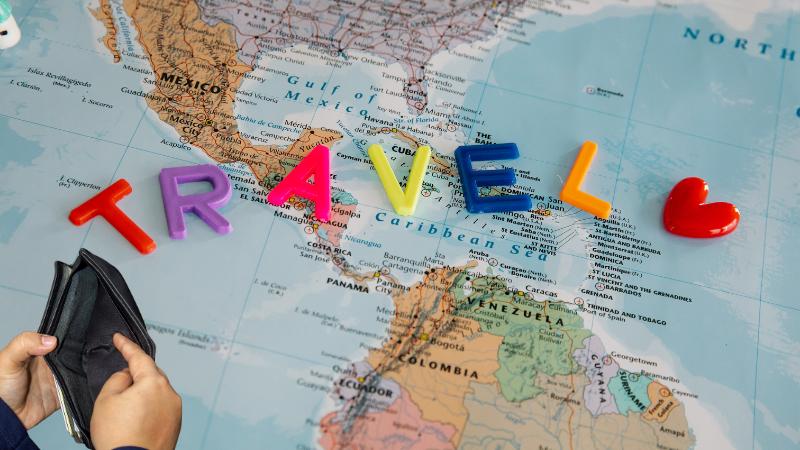
Hotels are among the first to feel the effects:
-
Urban hotels: Particularly reliant on business and international travelers, saw lower occupancy than projected.
-
Resort destinations: Still performed relatively well, but length of stays shortened as families cut costs.
-
Budget hotels: Benefited slightly as travelers downgraded from premium properties.
Many operators have begun offering promotional discounts to stimulate demand, though margins remain squeezed by labor and utility costs.
4. Impact on Airlines
Airlines face similar challenges:
-
Domestic travel demand softened, especially for short-haul routes.
-
Leisure travelers are increasingly price-sensitive, shifting bookings toward low-cost carriers.
-
Business travel remains sluggish, with companies sticking to hybrid work models and reduced corporate travel budgets.
As a result, airlines are adjusting schedules and reducing frequencies on underperforming routes.
5. Local Economies Under Pressure
The slowdown affects more than just airlines and hotels. Entire local economies reliant on tourism feel the strain:
-
Restaurants and attractions: Report weaker foot traffic during winter months.
-
Retailers: Particularly in tourist-heavy districts, see lower spending from both domestic and international visitors.
-
Seasonal workers: Fewer bookings mean reduced hours and job opportunities, particularly in ski towns and coastal regions.
Communities like Orlando, Las Vegas, and New Orleans, heavily dependent on tourism, face outsized risks if the trend persists.
6. Case Study: Las Vegas
:max_bytes(150000):strip_icc()/GettyImages-2185401934-076c588e6b594ca58d4699e5f23e4e84.jpg)
Las Vegas, a bellwether for U.S. travel, saw slower-than-expected hotel bookings in Q1 2025. Convention attendance dipped, and leisure travelers cut back on gaming and entertainment spending. While major events like concerts and sports still draw crowds, the overall decline highlights the sensitivity of destination economies to broader consumer caution.
7. Consumer Sentiment and Behavior Shifts
Surveys show that Americans are not abandoning travel altogether—they are redefining priorities:
-
Opting for shorter getaways instead of long vacations.
-
Choosing road trips over flights to save money.
-
Prioritizing value: looking for all-inclusive deals or loyalty rewards to stretch budgets.
This behavioral shift forces businesses to rethink how they package and market travel experiences.
8. Industry Response
Hospitality and travel companies are responding in several ways:
-
Hotels: Offering bundled packages with dining credits or wellness amenities.
-
Airlines: Rolling out fare sales and promoting loyalty programs.
-
Destinations: Investing in marketing campaigns to remind Americans of the value of travel.
At the same time, some companies are accelerating automation—such as self-check-in kiosks and AI-driven customer support—to cut costs while maintaining service levels.
9. Outlook for the Rest of 2025
Industry analysts are cautiously optimistic that spending will rebound in the second half of the year:
-
Major events like the summer travel season and holiday peaks could lift demand.
-
Lower interest rates, if implemented, may ease consumer anxiety.
-
International arrivals are expected to grow modestly, offsetting domestic softness.
Still, much depends on the broader economy. If job growth slows or inflation picks back up, travel spending may remain under pressure.
Conclusion
The slow start to 2025 is a reminder that the U.S. travel industry is deeply tied to consumer confidence and economic stability. While the decline in spending is modest compared to the massive rebound of recent years, it signals a shift toward more cautious, value-driven travel behavior.
For hotels, airlines, and local economies, the message is clear: flexibility, value, and innovation will be essential to attract travelers in a more cautious market. If they succeed, the slowdown of early 2025 may be remembered not as the start of a downturn, but as a catalyst for smarter, more resilient growth in the years ahead.