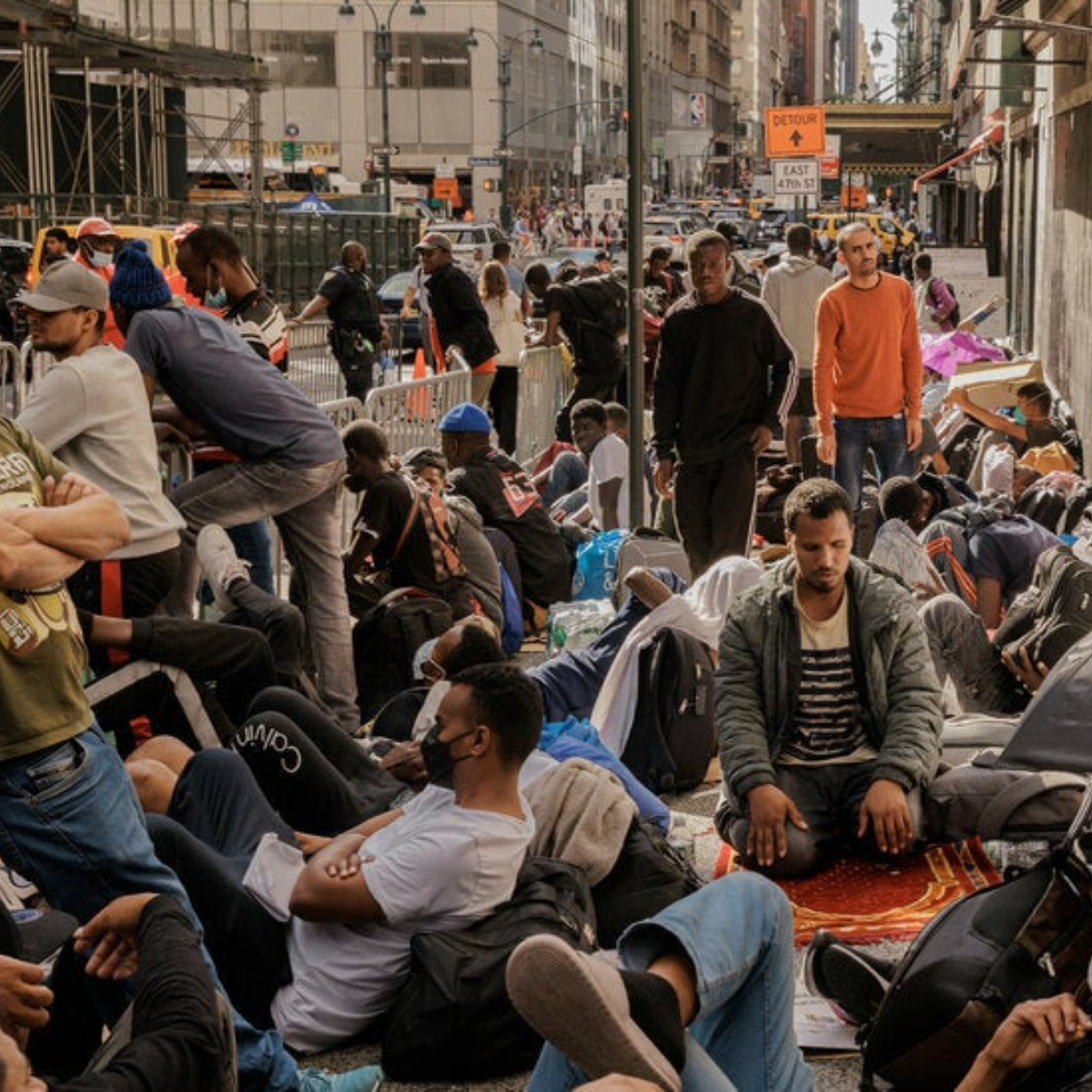
The hospitality sector in the United States depends heavily on migrant labor. From housekeeping to food service, immigrant workers make up a substantial share of the hotel workforce. Yet in 2025, growing political scrutiny and policy shifts around immigration are reshaping the way hotels hire. Across the country, U.S. hotel operators are tightening background checks on employees, citing compliance with federal regulations and a desire to avoid public backlash. While aimed at ensuring security and legality, this new trend is creating ripple effects for recruitment, labor costs, and ultimately, the experience of guests.

1. Why Migrant Labor Matters in U.S. Hospitality
Hospitality is one of the largest private-sector employers in the United States, and migrant workers account for a significant portion of this labor force:
-
In some states, more than 30% of hotel employees are immigrants.
-
Positions like housekeeping, janitorial services, and kitchen staff are often filled by migrant workers.
-
Seasonal workers from Central America and the Caribbean are especially vital in tourist-heavy regions such as Florida, Nevada, and California.
This dependence makes the industry highly sensitive to any shifts in immigration policy or enforcement.
2. The Push for Stricter Background Checks
In mid-2025, new guidelines from the Department of Homeland Security (DHS) and state-level authorities prompted many hotel operators to increase their vetting of new hires.
Changes include:
-
Expanded verification of work permits through E-Verify systems.
-
Criminal background checks for positions involving guest interaction.
-
Audits of subcontractors providing cleaning or catering services.
Large hotel chains like Marriott and Hilton have publicly confirmed they are reviewing their hiring protocols to comply with federal scrutiny.
3. Political and Public Pressure
The tightening comes amid heated political debate in the U.S. over migrant labor and border control. Several states have passed laws penalizing businesses that hire undocumented workers. Politicians argue that stricter oversight protects both workers and guests, while critics claim these measures fuel discrimination and labor shortages.
Public opinion is divided:
-
Some travelers support tougher background checks, citing concerns about safety.
-
Others argue that the move unfairly targets vulnerable communities and could worsen service quality.
4. Impact on Hotel Recruitment
The immediate effect is being felt in recruitment:
-
Longer hiring timelines as background checks can take weeks, leaving vacancies unfilled during peak tourist seasons.
-
Higher costs for compliance, with some chains reporting a 15–20% increase in HR expenses.
-
Worker shortages in entry-level roles, particularly housekeeping and maintenance.
Small and mid-sized hotels, which lack the resources of global chains, face the greatest strain in adapting to the new requirements.
5. Consequences for Guest Experience
For travelers, the shift in hiring practices may not be immediately obvious, but the impact is real:
-
Slower service in hotels short on staff, leading to longer check-in times or delays in room cleaning.
-
Reduced amenities as some hotels scale back daily housekeeping or room service.
-
Higher prices as operators pass compliance costs onto customers.
In luxury hotels, service standards are at risk, while budget hotels may struggle simply to maintain staffing levels.
6. Perspectives from Workers

Migrant workers themselves face increased challenges under these new policies:
-
Fear of discrimination: Even legal immigrants worry about being unfairly targeted or delayed in the hiring process.
-
Loss of opportunities: Workers without immediate access to verified documents are often excluded, even if qualified.
-
Union response: Labor unions and advocacy groups are pushing back, calling for fairer practices that balance compliance with inclusivity.
These tensions underscore the complex human side of the policy debate.
7. Economic Implications for the Industry
Economists warn that if stricter hiring practices reduce the availability of migrant labor, the hospitality industry could face serious headwinds:
-
Reduced competitiveness: U.S. hotels may lose ground to international destinations with lower labor costs.
-
Increased automation: Some chains are already investing in robots for housekeeping and AI-powered check-in kiosks to reduce reliance on human staff.
-
Regional disparities: States with stricter labor laws may see slower tourism growth compared to more flexible regions.
8. Case Study: Florida’s Hotel Industry
Florida, one of the top tourism states, provides a clear case study. Following new state-level immigration laws, hotel associations have reported double-digit staff shortages, particularly among cleaning and kitchen crews. As a result, some hotels have been forced to reduce available rooms or cut services during the summer season.
Local officials fear that these shortages could damage Florida’s reputation as a premier destination, especially as international competition increases.
9. What Comes Next?
Looking ahead, analysts predict that the hotel industry will continue grappling with the balance between compliance and operational efficiency. Possible trends include:
-
Greater reliance on outsourcing to vetted staffing agencies.
-
Rising use of automation technologies to fill labor gaps.
-
Ongoing lobbying from the American Hotel and Lodging Association (AHLA) for immigration reforms that protect both businesses and workers.
Ultimately, whether hotels can adapt without compromising guest satisfaction will shape the trajectory of the U.S. hospitality sector.
Conclusion
The intensified background checks in U.S. hotels reflect a broader national debate on immigration, labor, and security. While aimed at ensuring compliance and protecting guests, these measures risk creating new challenges: staffing shortages, rising costs, and strained worker relations. For travelers, the ripple effects may mean higher prices and fewer services.
As migrant labor remains the backbone of American hospitality, the industry faces a crossroads: adapt with new models of hiring and technology, or risk undermining the very service standards that define U.S. hotels. The next few years will determine whether stricter oversight strengthens or weakens the nation’s tourism competitiveness.