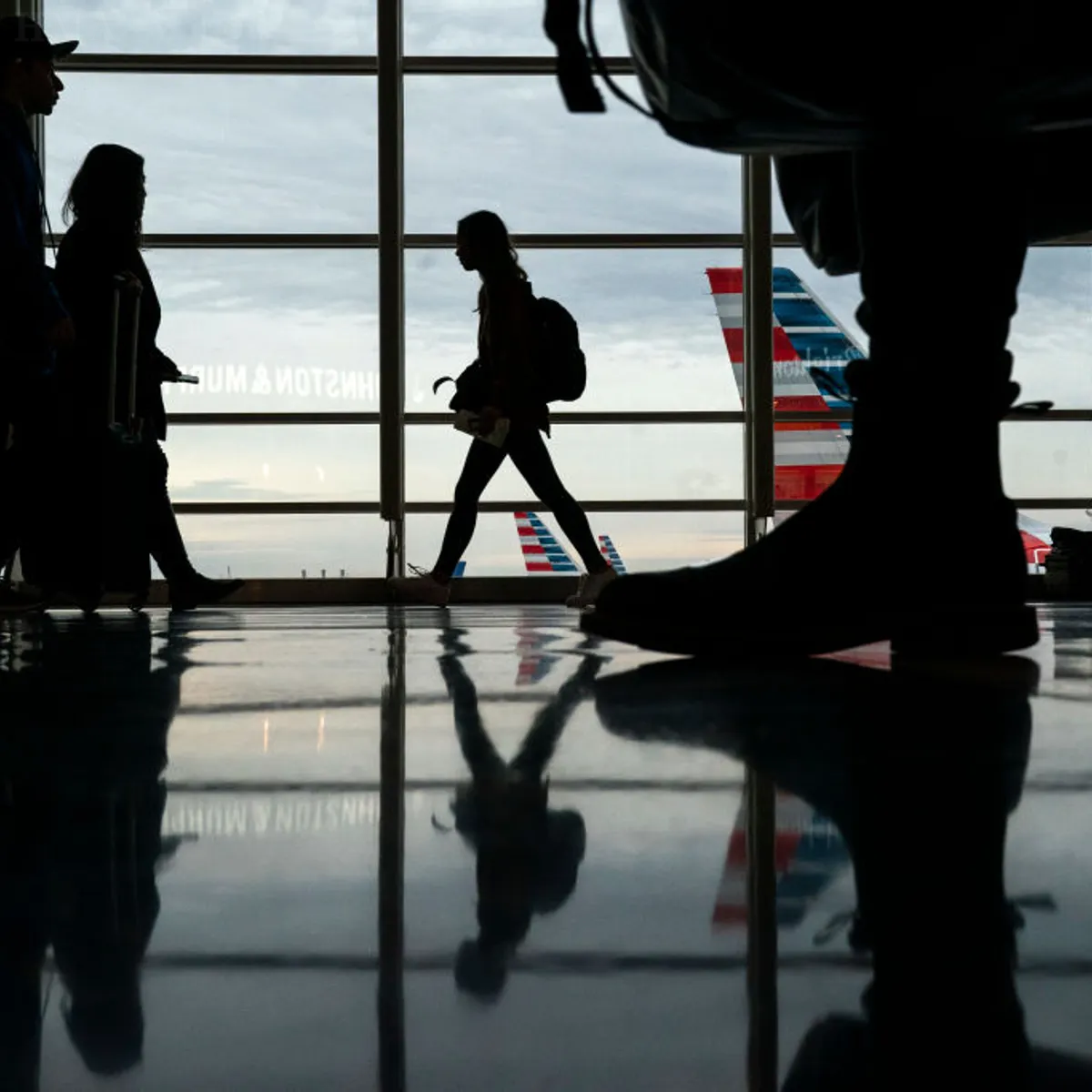
For more than a decade, the U.S. hotel industry has enjoyed strong growth fueled by rising leisure travel, business conventions, and international tourism. Yet in early 2025, a note of caution is sounding. Hilton’s CEO recently warned that travel demand is slowing, particularly in the U.S. domestic market. While not a collapse, the shift highlights deeper challenges: changing consumer behavior, economic uncertainty, and heightened competition. For the largest hotel chains in America—Hilton, Marriott, Hyatt, and others—the slowdown is both a warning sign and a call to adapt.
1. Hilton’s Signal to the Industry
Hilton’s Q1 2025 earnings report showed:
-
Revenue per available room (RevPAR) still grew year-over-year, but at just 2%, far below the double-digit growth of the post-pandemic recovery years.
-
Leisure demand softened, with families booking shorter stays.
-
Business travel remained sluggish, as companies continued hybrid work models.
Hilton’s CEO cautioned investors that the industry is entering a “wait-and-see mode,” with travelers becoming more cautious in their spending decisions.
2. Broader Market Trends

Hilton’s warning is not isolated. Other hotel giants report similar signals:
-
Marriott International noted slower booking growth in North America.
-
Hyatt Hotels said group bookings for conferences were weaker than expected.
-
IHG Hotels & Resorts emphasized strong competition from short-term rentals.
Together, these trends paint a picture of an industry moving from rapid recovery to stabilization—and potential stagnation.
3. Why Travel Demand Is Slowing
Consumer Uncertainty
Americans are more cautious in 2025, with inflation, high interest rates, and geopolitical instability shaping spending habits.
Rising Travel Costs
Room rates, airfare, and dining costs have risen significantly since 2020. Families are choosing fewer nights or cheaper destinations.
Competition from Alternatives
Airbnb and VRBO continue to siphon off leisure travelers, while budget hotels and motels capture cost-conscious customers.
4. Shifting Traveler Behavior
Travelers are not abandoning vacations—they are changing how they travel:
-
Shorter stays: Instead of weeklong trips, many opt for 3–4 nights.
-
Closer destinations: Road trips replace long-haul flights.
-
Value-seeking: Loyalty points, bundled packages, and promotions play a bigger role in booking decisions.
For hotel chains, this means customer acquisition and retention strategies must evolve quickly.
5. Hotel Industry Responses

Pricing Strategies
Hotels are experimenting with dynamic pricing, offering discounts for off-peak bookings while raising rates during high-demand weekends.
Loyalty Program Enhancements
Hilton Honors, Marriott Bonvoy, and World of Hyatt are adding new perks to attract repeat customers, though elite status is harder to achieve.
Diversified Offerings
Chains are expanding into vacation rentals and extended-stay properties to compete with Airbnb. Hilton, for example, launched new apartment-style brands to capture long-stay guests.
6. The Role of Technology
To offset slowing demand, hotels are doubling down on technology:
-
AI-driven guest services to provide faster check-ins and personalized recommendations.
-
Smart pricing systems to respond to real-time demand changes.
-
Mobile-first experiences, allowing guests to control everything—from room keys to concierge services—via apps.
These investments aim to cut costs and differentiate the guest experience, but they require significant upfront capital.
7. Case Study: Hilton’s Adaptation Strategy
Hilton has introduced several initiatives in 2025:
-
New lifestyle brands targeted at younger, experience-driven travelers.
-
Wellness-focused offerings, including fitness partnerships and in-room meditation apps.
-
Sustainability programs, such as reducing single-use plastics and investing in energy-efficient buildings.
These efforts aim to appeal to changing traveler values while maintaining Hilton’s reputation for reliability and service.
8. Impact on Local Economies
The slowdown in travel demand also affects local communities:
-
Convention cities like Las Vegas, Orlando, and Chicago face reduced hotel tax revenues.
-
Tourism-dependent towns see lower spending at restaurants and attractions.
-
Hospitality workers face reduced hours when occupancy drops.
This ripple effect underscores how closely linked the U.S. economy is to hotel performance.
9. Future Outlook for U.S. Hotel Chains
Analysts predict the next phase of the hotel industry will focus on resilience rather than rapid growth:
-
Moderate RevPAR growth of 1–3% is expected in 2025, far lower than the recovery boom.
-
Luxury hotels may outperform as affluent travelers remain less affected by economic uncertainty.
-
Mid-tier chains will feel the most pressure from cost-conscious consumers and short-term rental competition.
-
Innovation and branding will determine which companies thrive in a slower market.
Conclusion
Hilton’s warning about slowing travel demand is more than a company update—it is a signal to the entire U.S. hospitality sector. After years of strong recovery, the industry now faces a new reality: cautious consumers, rising costs, and intensified competition.
For America’s largest hotel chains, the challenge is clear. They must adapt to shifting traveler behavior, embrace technology, and deliver value without sacrificing quality. The winners will be those who balance innovation with tradition, ensuring they remain indispensable even in uncertain times.
The slowdown may not spell crisis, but it is a reminder that growth in hospitality is never guaranteed—and resilience is the new benchmark for success.