Short-term rentals (STRs) have transformed the U.S. travel landscape over the past decade, with platforms like Airbnb and VRBO leading the charge. Once considered niche alternatives to hotels, STRs are now mainstream, capturing a significant share of leisure travel bookings. But as the summer of 2025 approaches, the industry faces both unprecedented opportunities and mounting challenges. Strong traveler demand collides with new regulations, housing market concerns, and stiff competition from hotels. The result is a pivotal moment for the future of the U.S. short-term rental sector.
1. The Growth of Short-Term Rentals in the U.S.

The numbers underscore the sector’s importance:
-
STRs generated over $80 billion in U.S. revenue in 2024, up nearly 15% from pre-pandemic levels.
-
In some destinations, STRs account for 20–30% of available lodging capacity.
-
Airbnb alone recorded over 60 million nights booked in the U.S. in 2024’s peak summer season.
This growth reflects changing traveler preferences—Americans increasingly seek unique stays, family-friendly options, and local immersion instead of standardized hotel rooms.
2. Why Summer 2025 Is a Critical Test
Summer is the busiest travel season in the U.S., and 2025 carries heightened importance because:
-
Economic uncertainty: Inflation has cooled but remains a concern, pushing travelers to look for value.
-
Changing habits: Families want space and amenities like kitchens, often better provided by STRs.
-
Regulatory pressure: Cities from New York to San Francisco are tightening rules on short-term rentals, citing housing affordability concerns.
This mix of strong demand and stricter oversight makes summer 2025 a turning point for the industry.
3. Opportunities for Airbnb, VRBO, and Hosts
Despite headwinds, opportunities abound:
-
Growing demand for alternative accommodations: Travelers continue to favor vacation homes, cabins, and unique stays over hotels.
-
Family and group travel: STRs often provide better value for groups needing multiple bedrooms and kitchens.
-
New markets: Smaller cities and rural destinations are attracting more visitors, especially as remote workers extend vacations into “workcations.”
-
Technology upgrades: Platforms are rolling out AI-powered trip planning and dynamic pricing tools to optimize bookings.
For hosts, this summer represents a chance to capitalize on high demand—if they can navigate regulations.
4. Regulatory Challenges
The STR industry is under increasing scrutiny from city and state governments:
-
New York City: Imposed stricter rules in 2024 requiring hosts to register with the city, leading to thousands of listings being removed.
-
San Francisco and Los Angeles: Enforcing caps on the number of nights units can be rented annually.
-
Hawaii: Cracking down on illegal vacation rentals to protect local housing markets.
Officials argue that STRs drive up rents and reduce housing availability for residents. Industry groups counter that STRs provide income for homeowners and support local economies.
5. The Hotel Industry’s Counterattack
Hotels, once caught off guard by Airbnb’s rise, are fighting back:
-
Lobbying for regulation: Hotel associations are pushing lawmakers to impose stricter licensing and tax requirements on STRs.
-
New offerings: Chains like Marriott and Hilton have launched their own vacation rental platforms to compete directly.
-
Marketing campaigns: Hotels emphasize consistency, safety, and professional service—areas where STRs sometimes face criticism.
This competitive dynamic is sharpening in 2025 as hotels aim to reclaim market share.
6. Traveler Perspectives
For American travelers, STRs remain attractive but come with caveats:
-
Pros: More space, unique properties, local immersion, often lower cost per person.
-
Cons: Cleaning fees, inconsistent quality, and less reliable customer service compared to hotels.
-
Emerging frustration: Guests increasingly complain about hidden costs, such as mandatory chores (laundry, trash removal) on top of cleaning fees.
A 2025 survey found that while 70% of U.S. travelers are open to STRs, only 40% trust the experience as much as hotels.
7. Case Study: New York City’s Market Shakeup
New York provides a cautionary tale. After strict regulations in 2024, STR listings fell by nearly 75%. While some hotels benefited from increased bookings, travelers reported higher accommodation costs and reduced availability.
For hosts, the crackdown was devastating—many lost a vital income stream. For policymakers, the move sparked debate: while housing advocates praised the regulation, critics warned it damaged the city’s tourism competitiveness.
8. Hosts’ Strategies for Summer 2025
Hosts are adapting to survive:
-
Professionalization: Many are upgrading properties, offering amenities like high-speed Wi-Fi and smart locks.
-
Compliance: Proactively registering with city authorities to avoid fines.
-
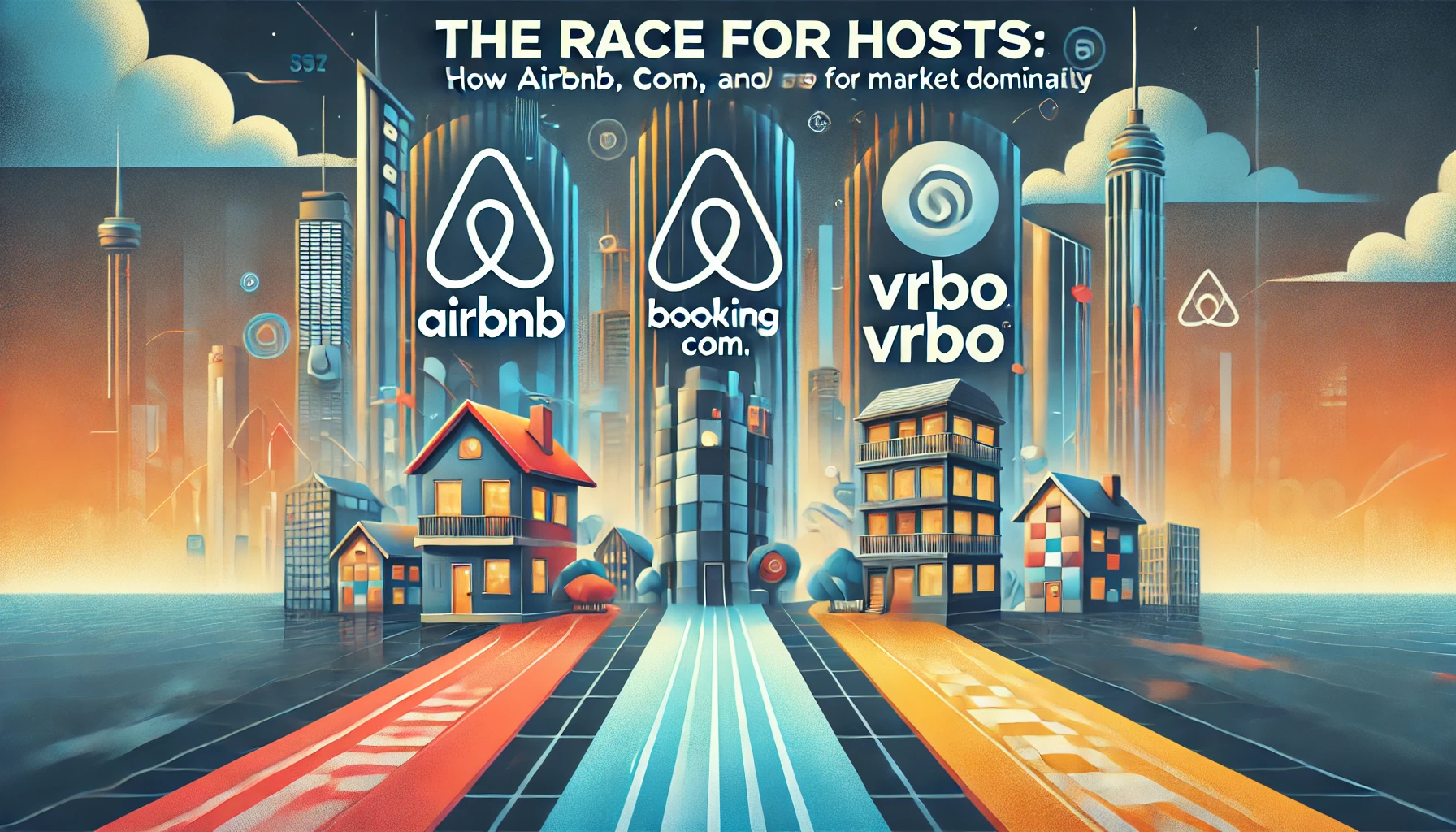
Diversification: Listing properties on multiple platforms (Airbnb, VRBO, Booking.com) to maximize visibility.
-
Pricing flexibility: Using dynamic pricing tools to adjust nightly rates based on demand.
These strategies will determine which hosts thrive during the busy season.
9. Looking Ahead: The Future of STRs in the U.S.
Industry experts predict several outcomes:
-
Regulation will intensify: More cities will follow New York’s lead, forcing greater compliance.
-
Hybrid models will emerge: Hotels may increasingly collaborate with STR platforms to expand offerings.
-
Professional hosts will dominate: Casual hosts may exit the market as compliance costs rise.
-
Consumer choice will evolve: Travelers will weigh cost savings against reliability and transparency.
By 2030, STRs could represent as much as 40% of the U.S. lodging market, but only if platforms and hosts successfully adapt.
Conclusion
The summer of 2025 represents both an opportunity and a crossroads for the short-term rental industry in the United States. Platforms like Airbnb and VRBO are poised to capture record demand, yet they face growing resistance from regulators, housing advocates, and hotel competitors.
For travelers, the choice is increasingly complex: STRs offer unique experiences and value but carry risks of hidden costs and inconsistent quality. For hosts, success depends on compliance, professionalism, and adaptability.
One thing is clear: the battle for the future of U.S. accommodations is no longer between hotels and vacation rentals—it is about how the entire industry evolves to balance demand, affordability, and regulation in the years ahead.